Portrait Guideline Book 3D Mockup: A Smart Tool for Professional Branding and Presentation
Understanding the Value of a Portrait Guideline Book 3D Mockup
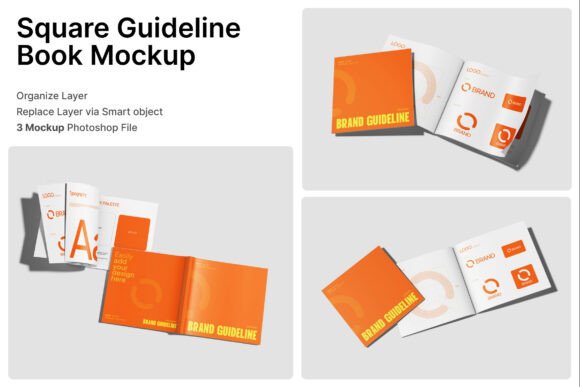
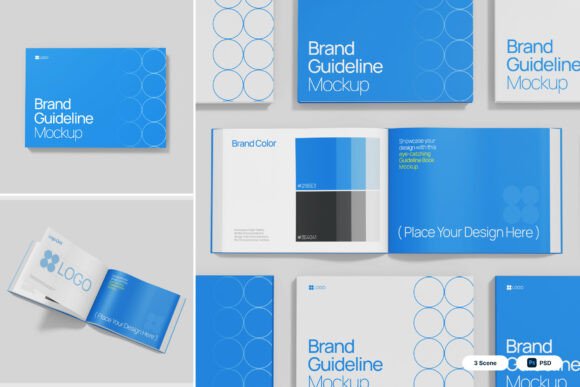
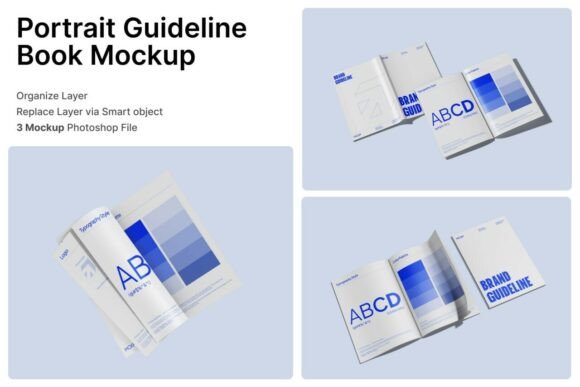
A Portrait Guideline Book 3D Mockup is more than just a visual tool—it's a strategic asset for businesses, designers, and marketers aiming to present brand materials with clarity and professionalism. Built specifically for corporate branding, publishing presentations, and identity showcases, this type of mockup offers a realistic, high-quality way to display brand manuals, company profiles, and visual identity systems.
With included PSD files and smart object layers, users can easily insert their designs, adjust layouts, and preview how printed materials will look in real-world settings. The 4000 x 3000 pixel resolution ensures crisp visuals suitable for both digital and print use. Whether you're pitching a brand to clients or compiling an internal guide, this mockup helps elevate your presentation instantly.
Common Mistakes When Choosing and Using 3D Mockups
Despite the benefits, many users overlook key considerations that can impact the effectiveness of their mockup usage. Here are some common pitfalls and how to avoid them:
1. Not Checking File Compatibility
Some designers download a Portrait Guideline Book 3D Mockup only to find it doesn’t work with their current software setup. While the included PSD files are compatible with Adobe Photoshop, not all users have the latest version or know how to work with smart objects.
Better approach: Before downloading or purchasing, verify that the file format matches your software capabilities. If you're not familiar with smart object layers, take a few minutes to review the included PDF help file or watch a short tutorial online.
2. Ignoring Image Resolution and DPI
While the 300 dpi resolution of this mockup makes it suitable for print, some users mistakenly assume all mockups are print-ready. Using low-resolution images or incorrect file settings can lead to blurry outputs or unprofessional results.
Better approach: Always confirm the resolution and intended use before exporting. If you're preparing materials for print, double-check that your final output is set to 300 dpi and that all placed designs maintain that clarity.
3. Overlooking the Need for Customization
Some users expect a one-size-fits-all solution and are disappointed when they realize they need to do some customization work themselves. The mockup provides a framework, but your brand visuals still need to be inserted and aligned properly.
Better approach: Take advantage of the smart object layers. Simply double-click the layer, place your design, and save. This process is quick and non-destructive, allowing for easy updates and revisions.
4. Using Stock Images Without Proper Licensing
The Portrait Guideline Book 3D Mockup does not include image stock, which means users often add their own visuals. However, not all images are created equal—especially when it comes to licensing and resolution.
Better approach: Use high-quality, royalty-free images from trusted sources like Unsplash, Pexels, or Shutterstock. Always verify licensing to avoid legal issues, especially if the mockup will be used in marketing or client-facing materials.
What to Check Before Using a 3D Mockup
Making the most of your Portrait Guideline Book 3D Mockup starts with due diligence. Here’s what to verify before you begin:
- File format: Confirm the mockup includes PSD files and that you have Photoshop or a compatible editor.
- Resolution: Ensure the file is 4000 x 3000 pixels at 300 dpi for print-ready quality.
- Help documentation: Look for a clear PDF guide or tutorial to help with setup and customization.
- Customization flexibility: Make sure the smart object layers allow for easy editing without compromising quality.
- Usage rights: Check if the mockup can be used for commercial purposes or if attribution is required.
Improving Presentation and Communication with the Right Tools
A well-executed mockup does more than look good—it communicates professionalism, attention to detail, and brand consistency. Whether you're presenting to stakeholders, clients, or internal teams, the right visual tools can make a difference in how your brand is perceived.
For example, a creative agency showcasing a new brand identity to a client can use the Portrait Guideline Book 3D Mockup to simulate how the brand manual will appear in print. This creates a more tangible and immersive experience than flat digital files alone.
Final Thoughts: Make Informed Choices for Better Results
Choosing and using a Portrait Guideline Book 3D Mockup doesn’t have to be complicated. By avoiding common mistakes—like skipping compatibility checks or using unlicensed images—you’ll save time, reduce frustration, and produce higher-quality presentations.
Remember, the goal is not just to create a visually appealing mockup, but to communicate your brand’s identity clearly and effectively. Take a few extra minutes to understand the file structure, review the help guide, and ensure your visuals are aligned with your brand standards.
With the right approach, this mockup becomes more than just a design tool—it becomes a key part of your brand’s visual storytelling toolkit.