Cardbox 3D Mockup: Avoiding Common Mistakes and Making the Most of Realistic Packaging Design
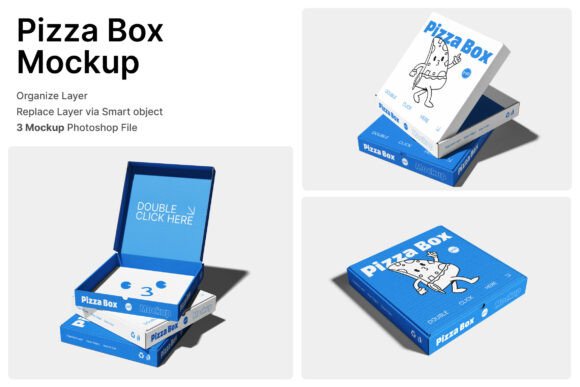
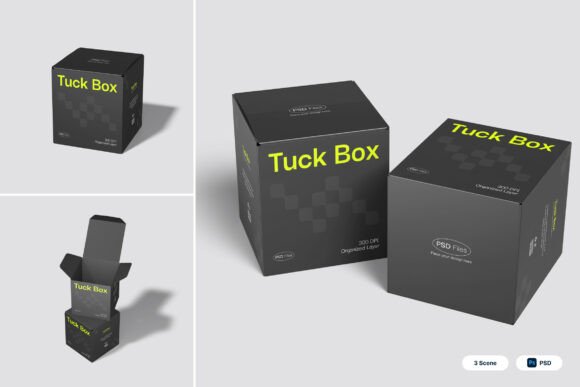
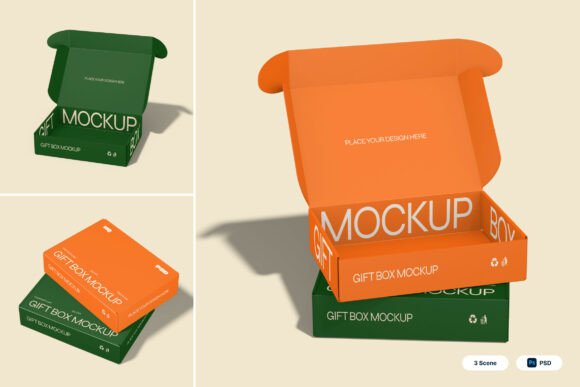
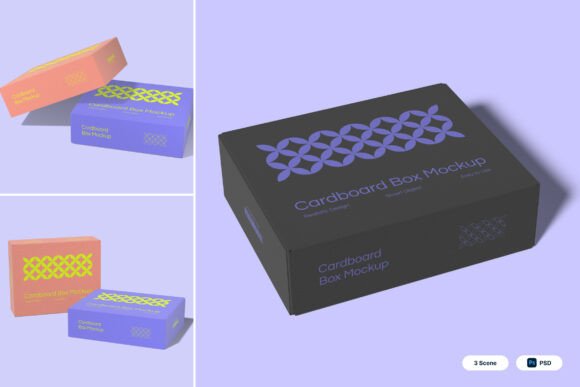
When it comes to presenting packaging ideas for ecommerce, subscription boxes, or retail branding, a Cardbox 3D Mockup offers a powerful, realistic way to visualize your designs. This 3D mockup includes corrugated textures, folded box structures, and customizable branding surfaces, making it ideal for product delivery concepts and packaging identity showcases. But even the best tools can be misused, especially when users overlook key details or misunderstand how to apply them effectively.
Understanding the Value of Cardbox 3D Mockup
The Cardbox 3D Mockup package includes three PSD files and a helpful PDF guide, all designed to streamline the visualization process. With smart object layers, users can simply double-click a layer, insert their design, and save—making it accessible for both beginners and experienced designers. The high-resolution output (4000 x 3000 pixels at 300 dpi) ensures that presentations maintain professional quality.
However, the effectiveness of this tool depends on how well users understand its features and limitations. Many overlook small but important aspects that can impact the final result—especially when preparing visuals for clients, investors, or marketing materials.
Common Mistakes When Using Cardbox 3D Mockup
One of the most frequent issues is ignoring the importance of layer organization. The mockup uses smart object layers, which allow for easy design placement, but not everyone takes the time to study the layer structure. This can lead to misplaced graphics, incorrect scaling, or distorted branding elements that don’t reflect the intended packaging look.
Another overlooked detail is the lack of included stock images. While the mockup itself is high quality, users sometimes expect background or lifestyle images to be part of the package. This can cause confusion or delays when preparing final visuals for presentations or client reviews.
Some users also underestimate the need for resolution consistency. Inserting low-resolution artwork into the mockup can degrade the overall image quality, even though the mockup itself supports high-resolution output. This results in blurry or pixelated presentations that fail to impress stakeholders or customers.
How These Mistakes Affect Results
When layer organization is neglected, the final mockup may not accurately represent the intended packaging. This can mislead clients or cause unnecessary revisions later in the design process. Poor image quality due to mismatched resolution can harm brand perception, especially if the mockup is used in marketing or crowdfunding campaigns.
Additionally, not understanding how to use the included help guide can lead to frustration or inefficient workflows. Users may spend more time trying to figure out the tool than actually designing, which impacts productivity and project timelines.
Better Approaches to Using Cardbox 3D Mockup
To avoid layer-related issues, take a few minutes to explore the layer structure before inserting your design. Understand which layers correspond to which parts of the box—such as the top flap, side panels, or bottom fold. This helps ensure your branding appears exactly where it should, without distortion or misalignment.
If you're planning to use the mockup in different contexts—like on a website or in a printed brochure—prepare your artwork at the same resolution as the mockup. This ensures clarity and consistency across all outputs. Also, keep a backup of your original design files so you can easily update or tweak visuals without starting from scratch.
When it comes to stock images, plan ahead. If you intend to use the mockup in a lifestyle scene or on a shelf display, source appropriate stock images separately and integrate them carefully. This gives your presentation a more realistic and professional feel.
What to Check Before Downloading or Using Cardbox 3D Mockup
Before purchasing or downloading any 3D mockup—including the Cardbox 3D Mockup—review the included files carefully. Make sure the package contains the PSD files, smart object layers, and a help guide that explains how to use them. Check the resolution and file size to ensure compatibility with your design software and output needs.
Also, verify whether the mockup supports customization for different box dimensions or folding styles. Some mockups are designed for specific packaging types, so make sure it aligns with your project's requirements.
Another important consideration is licensing. Ensure the mockup allows for both personal and commercial use, especially if you're planning to present the visuals to a client or use them in marketing materials.
Realistic Examples of Effective Use
Consider a small business owner launching a new line of organic supplements. They want to create a custom subscription box that stands out on shelves and in photos. Using the Cardbox 3D Mockup, they can visualize how their logo and color scheme will appear on a folded corrugated box before ordering physical samples. This helps them make informed design decisions without the cost of multiple print proofs.
In another example, a freelance designer is hired to create packaging for a boutique coffee brand. By using the mockup’s smart object layers, they quickly insert different label designs and color variations, allowing the client to review and choose the best option. The high-resolution output ensures that the mockups look sharp in both digital and printed formats.
Final Tips for Getting the Most Out of Cardbox 3D Mockup
- Study the help guide thoroughly—especially if you're new to smart object layers or 3D mockups.
- Keep your design files organized to streamline updates and revisions.
- Use consistent resolution and color profiles to maintain visual accuracy.
- Test different lighting and background options to see how your packaging looks in various settings.
By avoiding common pitfalls and understanding how to leverage the full potential of the Cardbox 3D Mockup, you can save time, reduce errors, and deliver professional-quality packaging visuals that impress clients and support your brand identity.